
Learn the rule
Choose New the first time a word appears. Choose Seen when the same word appears again. Keyboard: N and S.
Decide whether each word is new or has already appeared in this session. Track recognition errors across a short sequence, starting with 15 presentations.
Practise recognising earlier items while keeping missed words, mistaken familiarity and successful repeat recognition distinct.
This English word task depends on vocabulary, familiarity and attention. It is not a diagnosis, a general memory score or evidence of improvement on other tasks.
Use one short task to explore its specific rule, then compare matching sessions.
Choose New the first time a word appears. Choose Seen when the same word appears again. Keyboard: N and S.
Keep the same settings, input and device. Check mistakes and misses before interpreting a faster response.
Keep local numeric history or save an accepted session to your optional account. You do not need to upload private practice material.
Choose 15, 20 or 30 presentations. The default has 8 new words and 7 repeats; longer sessions have 10/10 or 15/15. The order changes each session.
Choose New or Seen within 10 seconds. A word may repeat more than once; Seen means it appeared at any earlier point in this session.
Results separate correct new-word decisions, correct repeat recognition, false alarms and missed responses. Compare English sessions with the same word-bank version.
A false alarm means a new word was marked Seen. Correct repeat recognition means an earlier word was recognised; missed responses count separately.
| Metric | Meaning |
|---|---|
| Correct decisions | Correct answers plus correctly withheld WAIT responses for Go/No-Go. Missed responses remain separate from answered errors. |
| Median answer time | Middle answer time among answered presentations. Speed is secondary to correct recognition. |
| Missed responses | Presentations that reached the deadline without the required decision. Withholding a WAIT response is correct, not a miss. |
| Interruptions | A count of pauses or hidden-tab interruptions. Keep interrupted sessions separate from clean timing comparisons. |
Try another short session later. Keep attention on whether the word appeared in this session, rather than whether it feels familiar from everyday life.
Short answers that clarify the main value of this article.
No. You can complete the task and keep a bounded local history in this browser without signing in. An optional account lets you save accepted session summaries and review them on another device.
This English word task depends on vocabulary, familiarity and attention. It is not a diagnosis, a general memory score or evidence of improvement on other tasks.
The task keeps stimuli and answer order in memory for the current session. Saved history and completion reporting use allowlisted settings and numeric summaries, without the words, cue sequence or individual answers.
Choose a different task and compare results only within the same settings.
Backward Digit Span
Recall digits in reverse order.
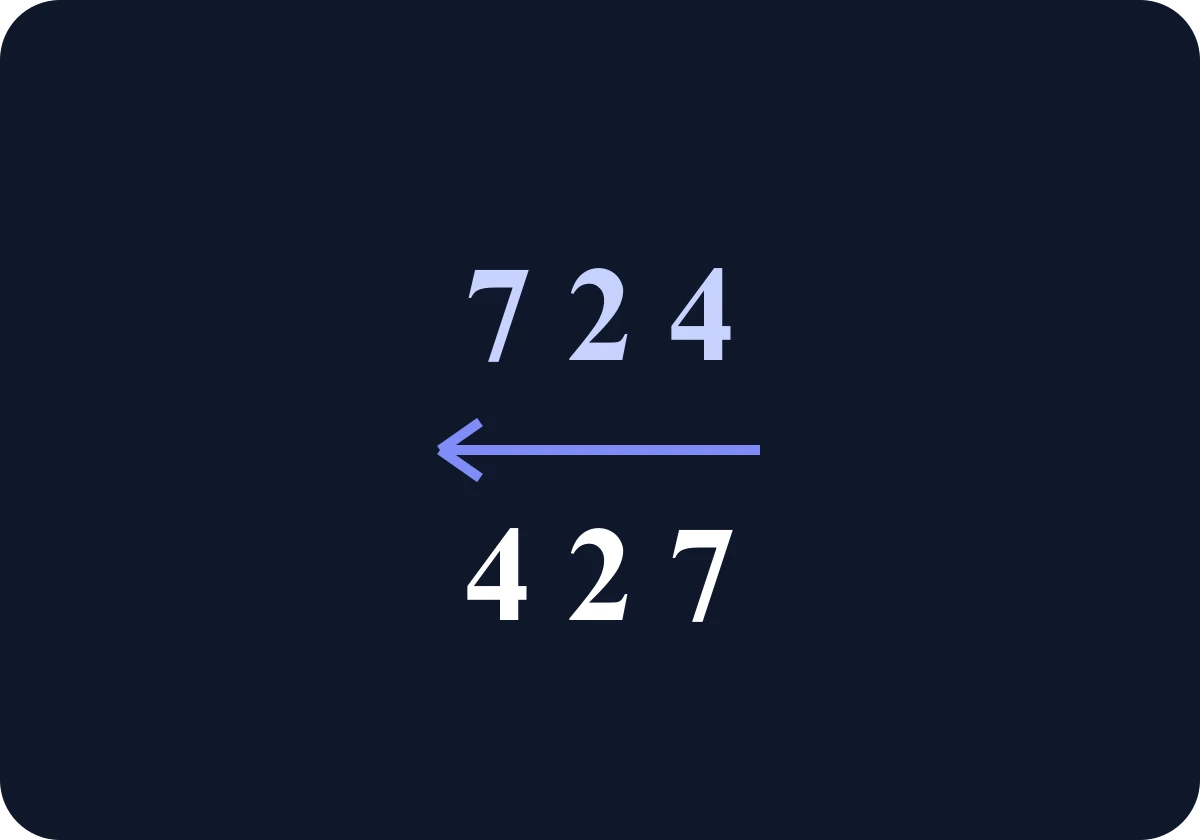
Goal: Backward Digit Span
Watch digits appear one at a time, then recall them backwards. Practise eight rounds with a fixed length by default and review your accuracy and longest correct span.
Start: Backward Digit SpanN-back
Match positions from N steps earlier.
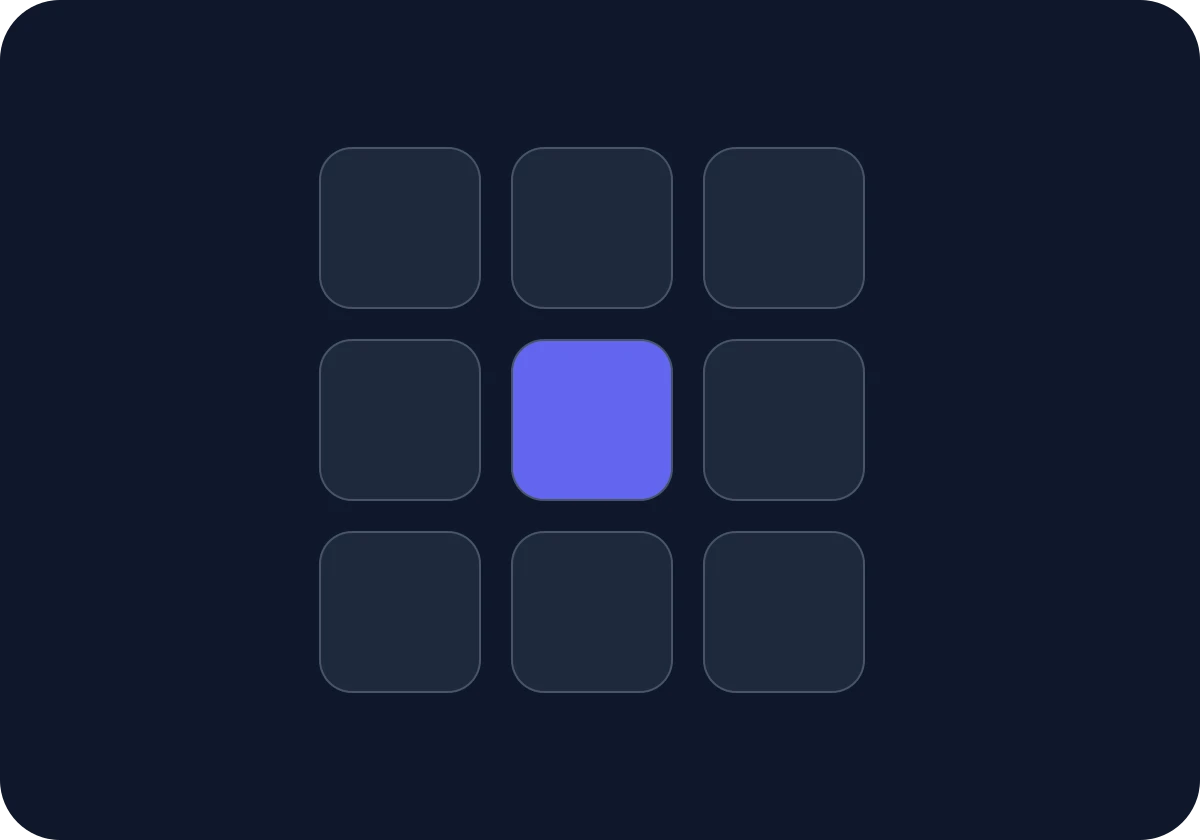
Goal: N-back
Follow positions on a nine-cell grid and decide whether each matches the position N steps earlier. Try visual 1-, 2- or 3-back with twenty scored trials.
Start: N-backChunking Memory Trainer
Group, recall, and reconstruct
Meaningful groups • Exact order • Repair
Meaningful groups
Goal: Recall an ordered list through meaningful groups
Practise 6, 9, or 12 words, digits, or private custom items. Build useful groups, hide the list, reconstruct every position, compare chunks, and repair weak groups.
Start Chunking TrainerRead practical guidance about interpreting and repeating browser tasks.
Learn how pattern and sequence memory differ, try evidence-informed visual memory exercises, and follow a practical 14-day plan with repeatable progress tracking.
Learn how to benchmark cognitive training progress with time, accuracy, mistakes, consistency, streaks, and Quartenson community and this-device comparisons.
Learn the backward digit span rule with a reverse-order example, try eight rounds with fixed or flexible length, and understand longest span and accuracy.