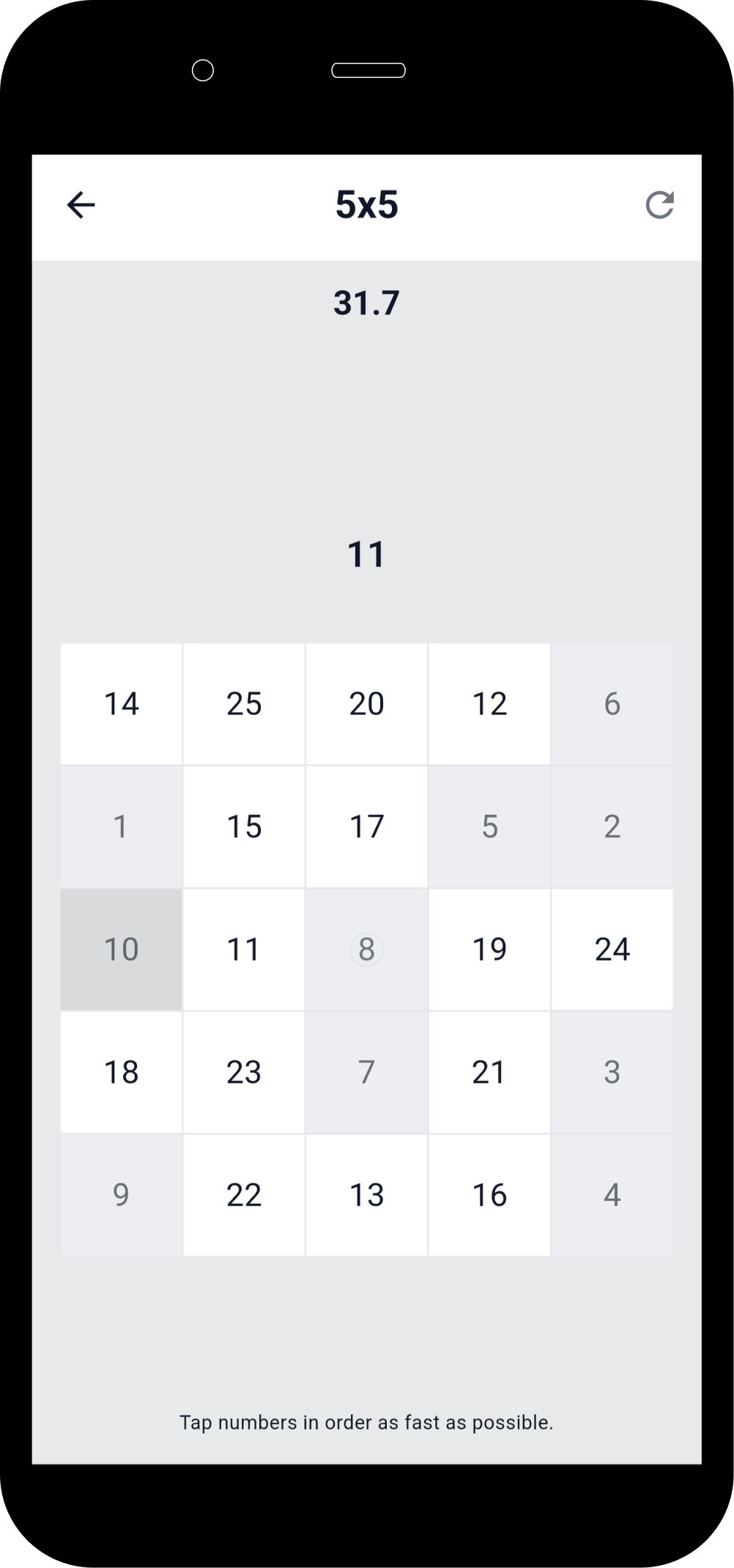
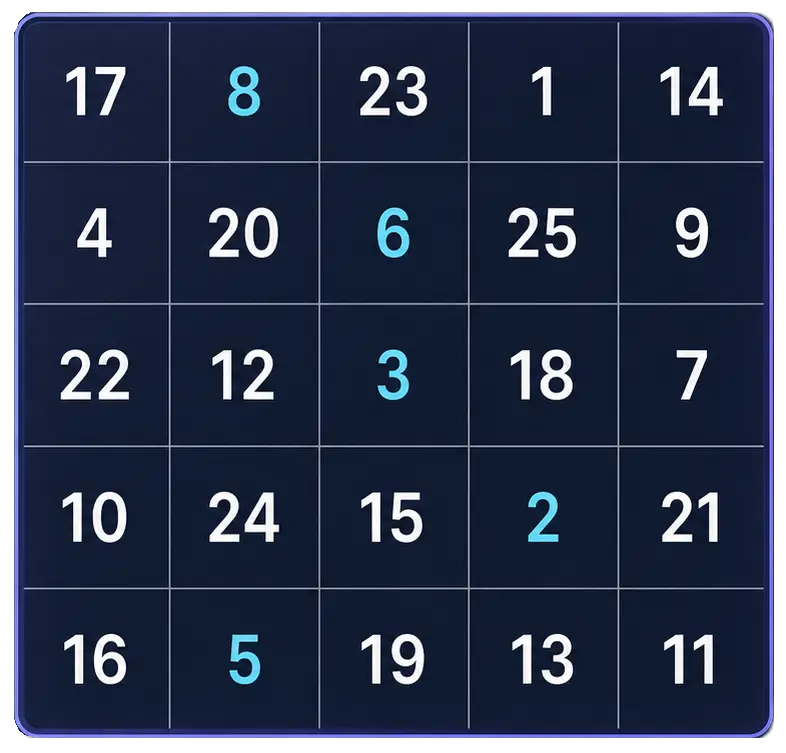
Schulte tables are visual grids used for focus training, attention training, and visual scanning practice. The classic exercise is simple: find numbers in order as quickly and accurately as possible. Even though the task looks small, it challenges concentration, helps train scanning patterns, and encourages more deliberate visual control.
Many people associate Schulte table exercises with speed reading because they can support broader visual perception and more efficient eye movement habits. They are also often used in peripheral vision practice, since the goal is not only to look at one square at a time, but to gradually improve how much of the grid you can process with stable attention.
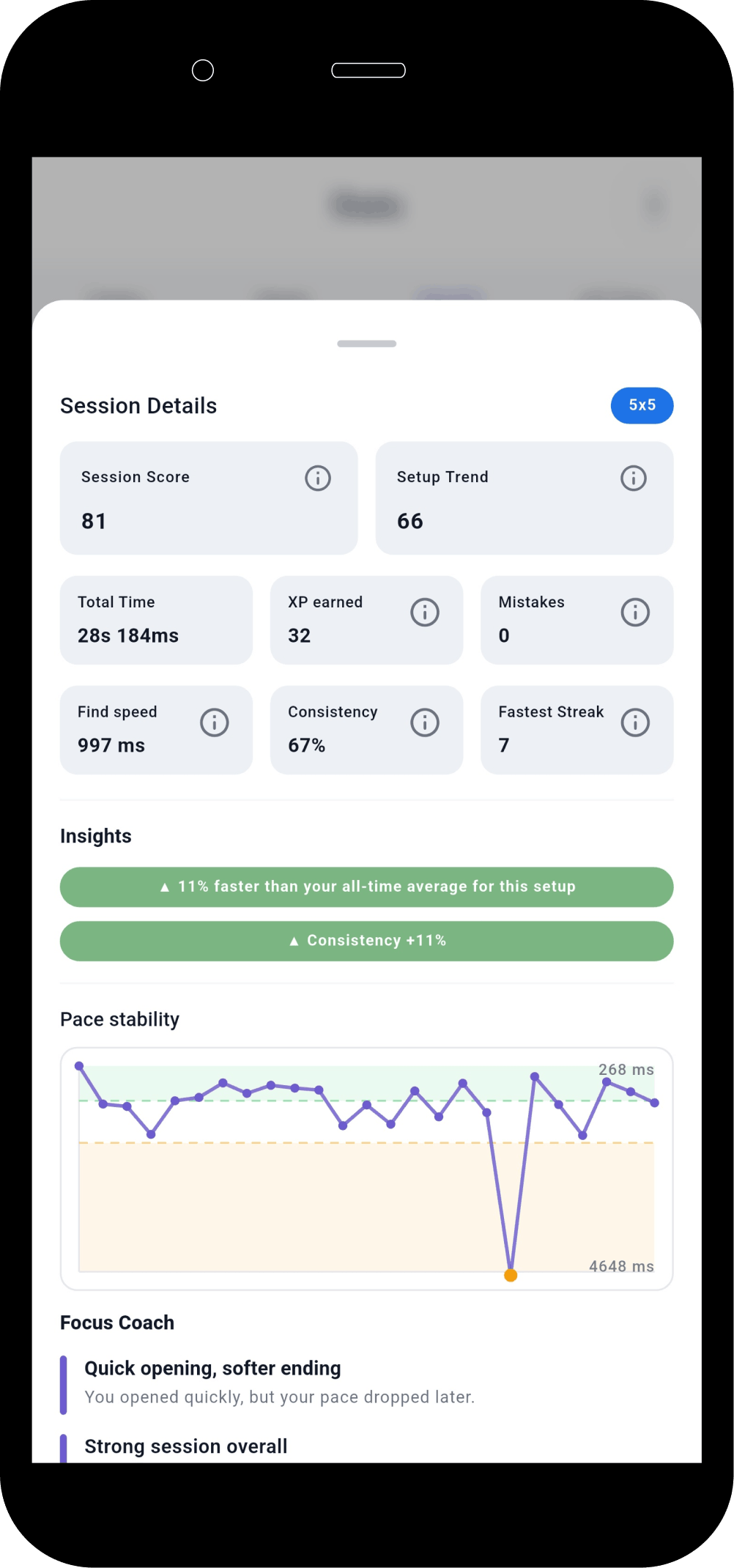
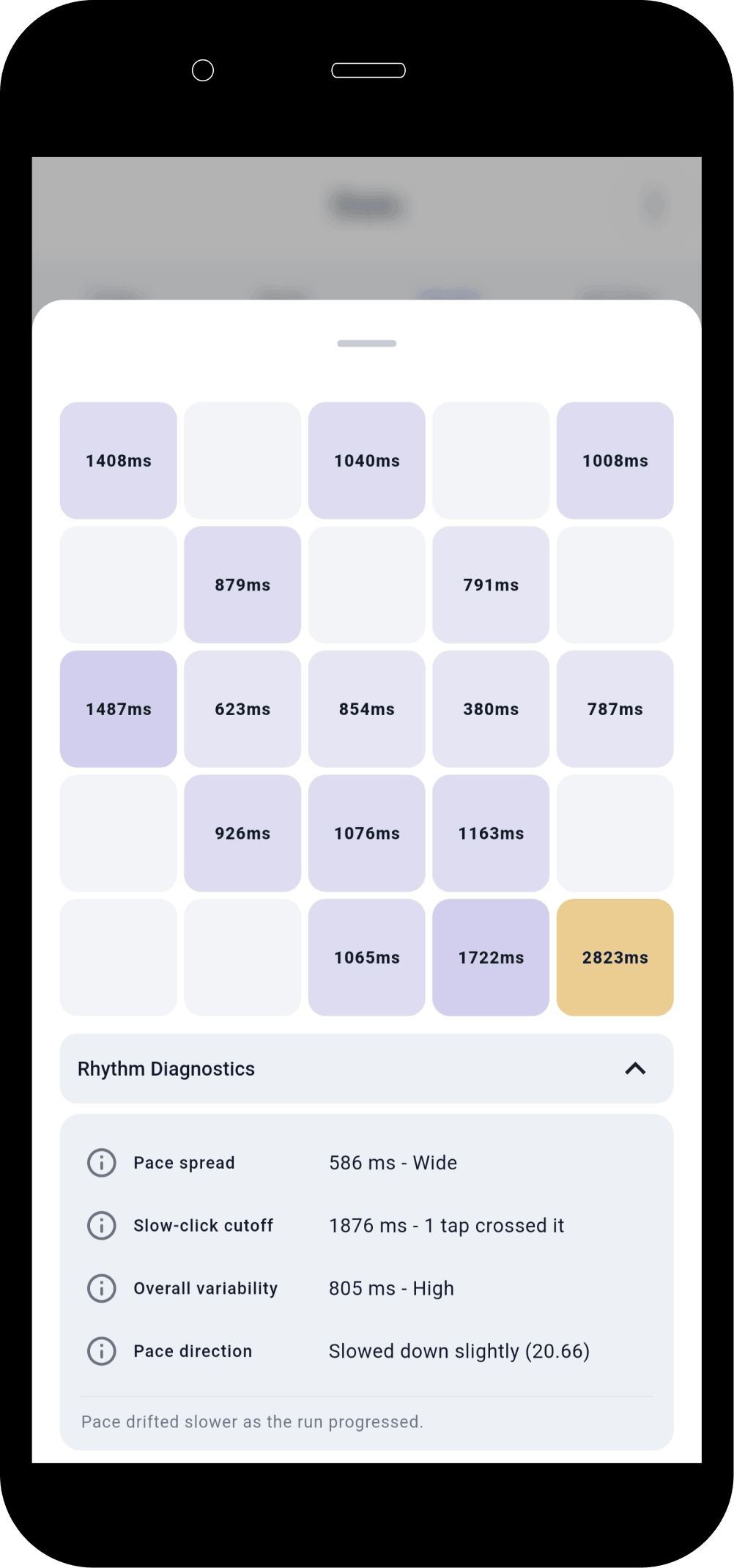
In practice, Schulte table training is useful because it combines focus training with repeatable measurement. Over time, users can compare speed, consistency, hesitation, and visual scanning rhythm instead of relying only on subjective feeling. That makes the exercise more valuable for people who want structured concentration training rather than a simple timer.
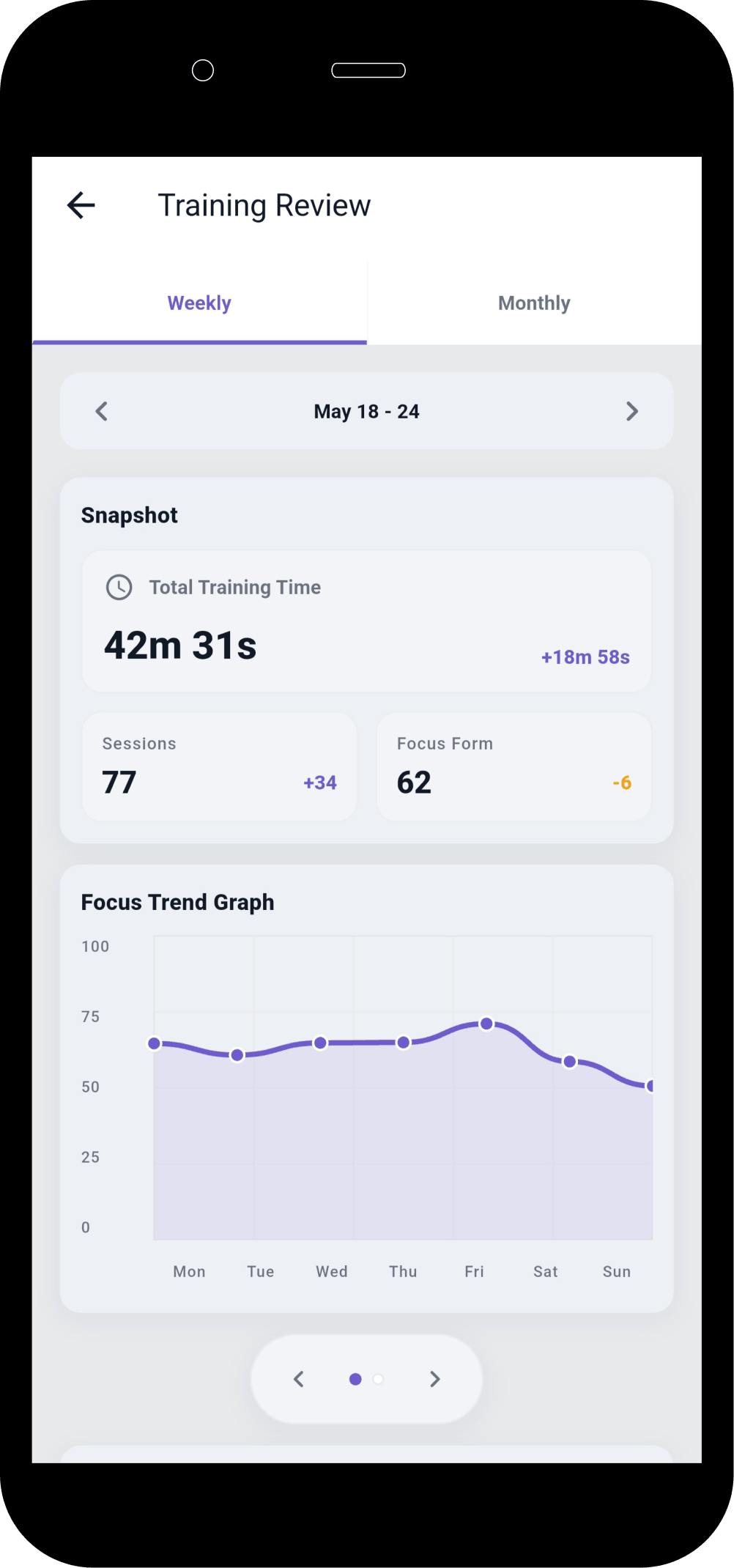
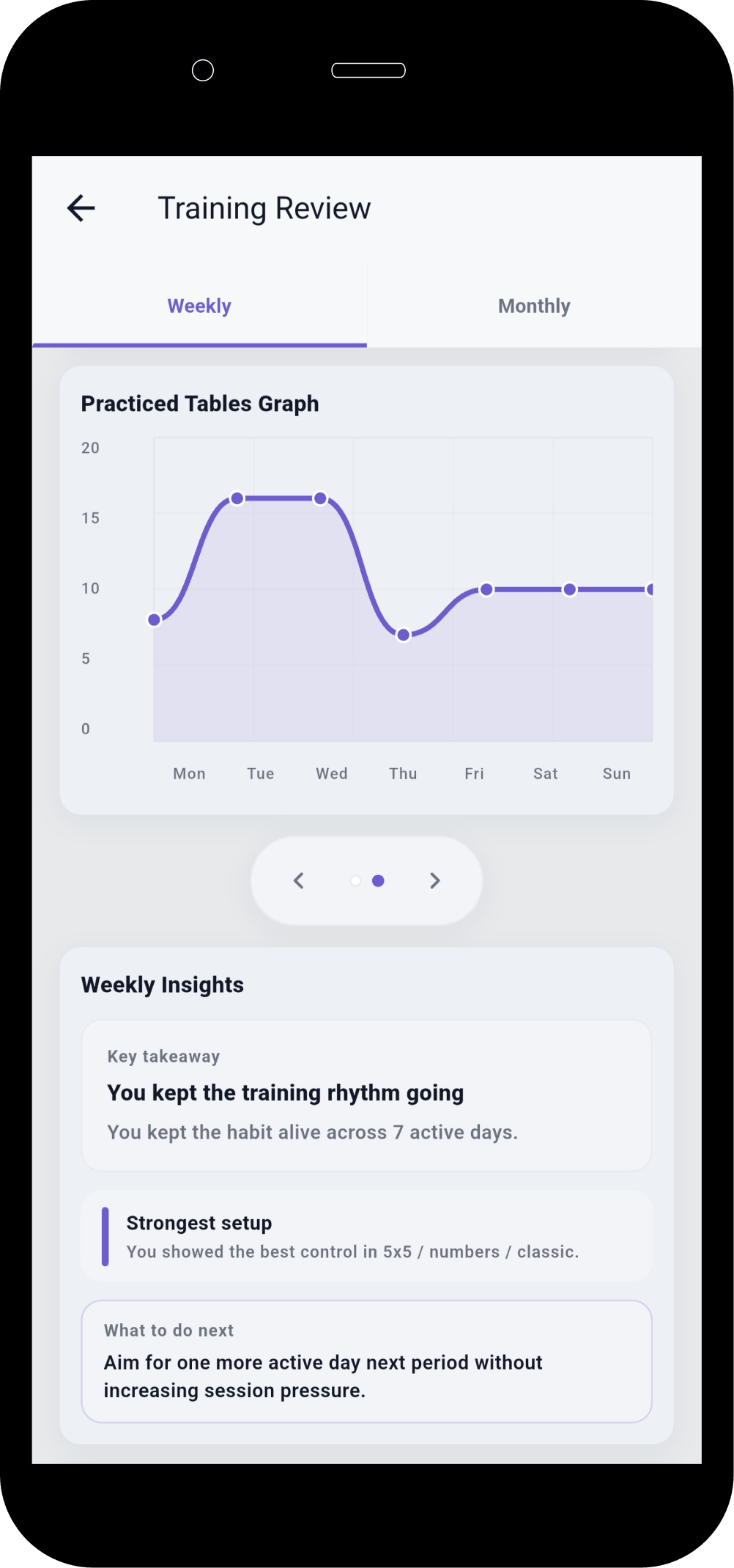
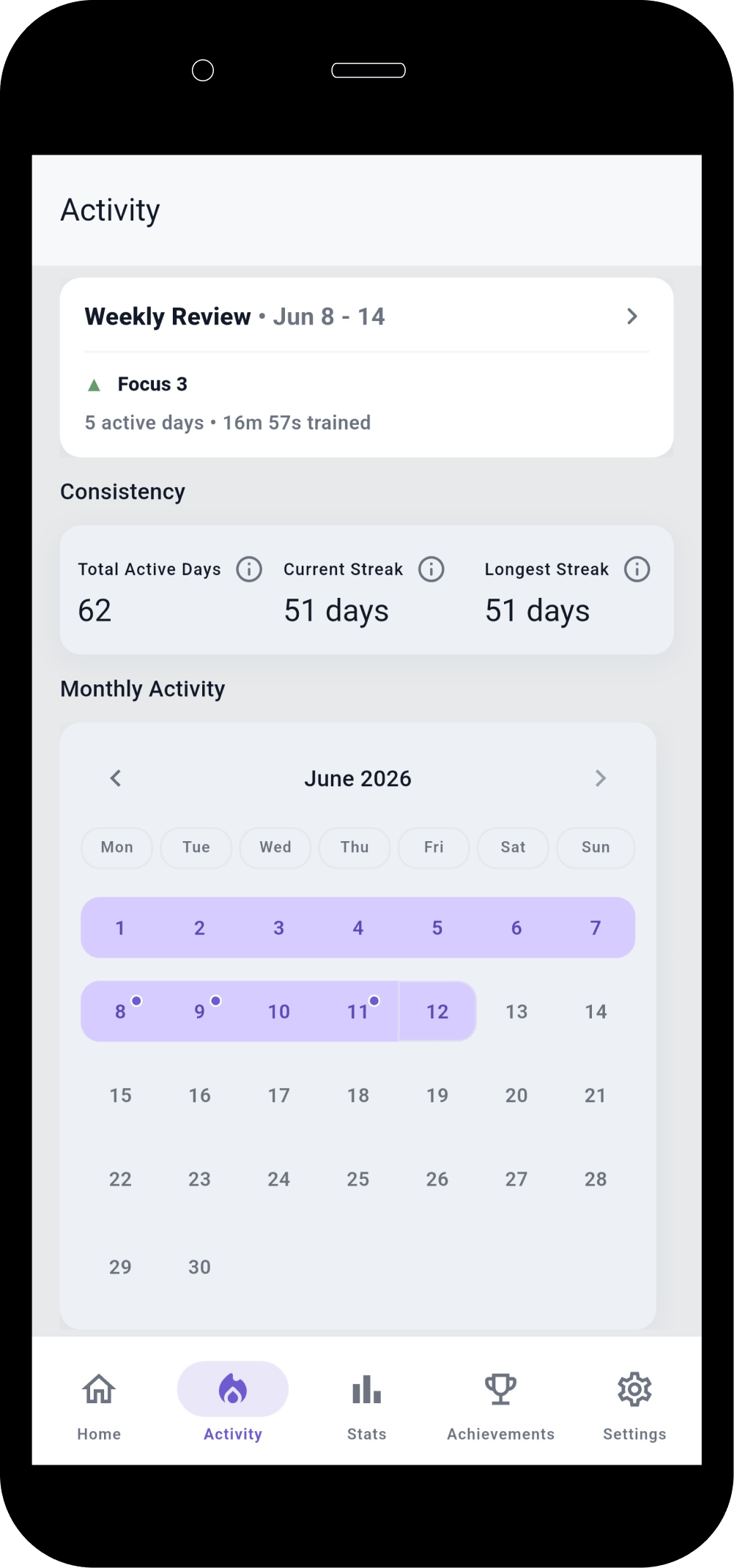
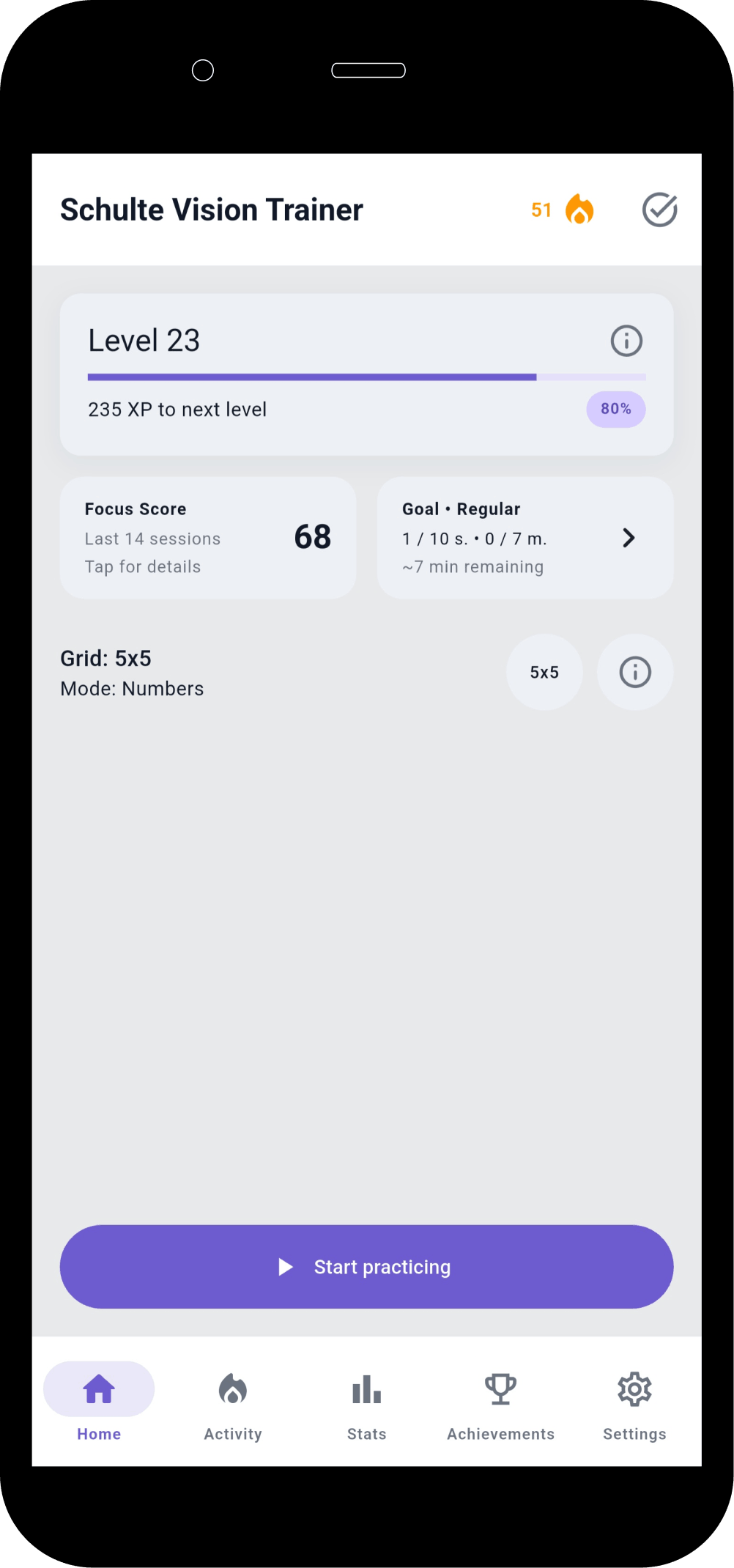
Quartenson: Schulte Tables builds on that foundation by turning standard Schulte table sessions into a broader attention training experience. Instead of measuring only completion time, it helps users understand where performance changes, how pace behaves during a session, and whether focus training is improving over time. For users interested in peripheral vision, speed reading support, or better visual scanning habits, that deeper feedback creates a more practical way to train consistently.